

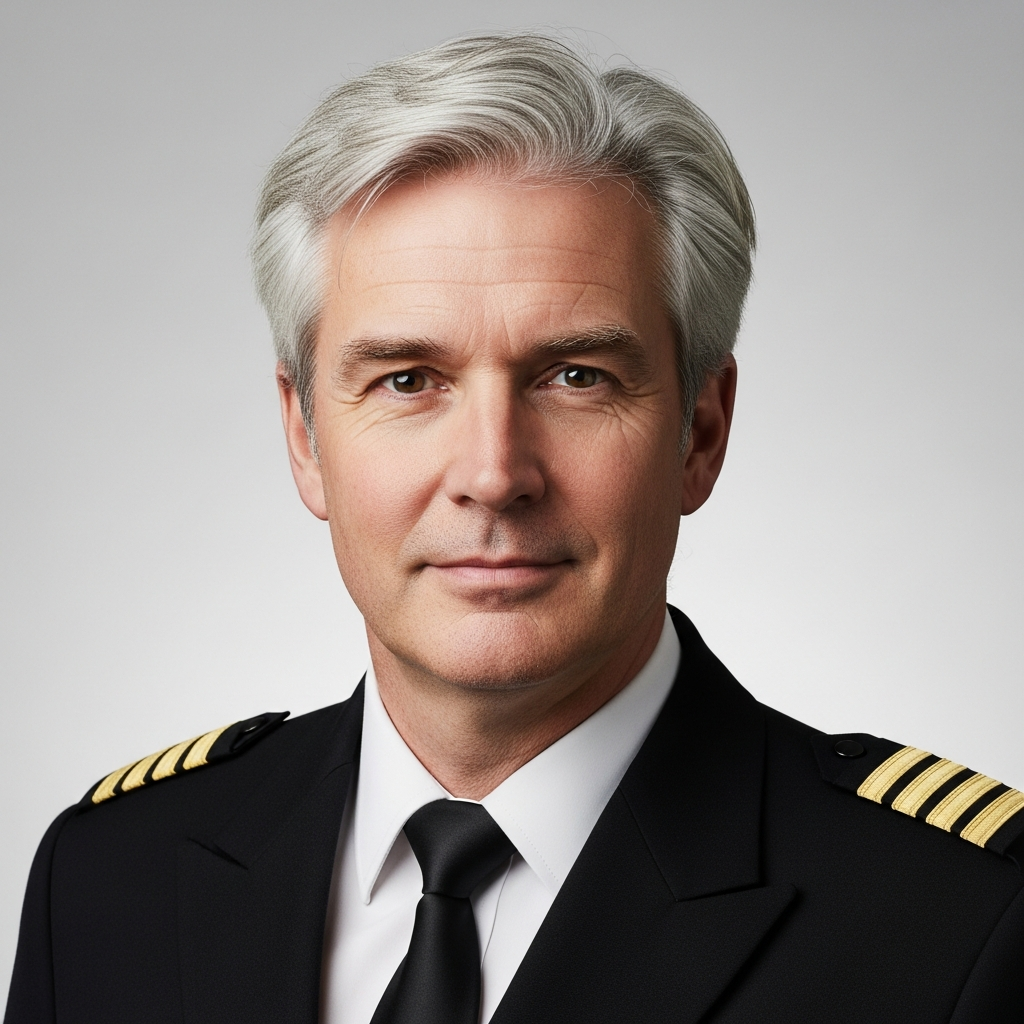
Oliver holds an ATPL and has flown the LON–IBZ corridor as both a line captain and a positioning crew member for the past eight seasons. He contributes operational notes on routing, slot management, and aircraft selection.
A captain's-eye view of arriving at Ibiza on a private jet, from the approach over the old town to the ground transfer from the FBO.
Ibiza airport sits on the southwestern edge of the island, wedged between the salt flats of Salinas and the industrial edge of the main harbour. The runway runs roughly northeast to southwest, which means the final approach from the north brings the aircraft in over the old town walls, low and quiet, before the wheels touch on the concrete. If you are arriving private, you will not use the main terminal at all. The experience begins about three hundred metres from it, at the general aviation facility that handles all non-commercial movements.
The FBO arrival sequence
Private arrivals at IBZ are handled through a terminal building operated by a ground handling agent, typically one of the two or three authorised operators that share the apron. The aircraft parks in a dedicated stand on the general aviation apron, separate from the commercial ramp. Depending on the season and the handling agent, the steps or airstairs will be either built into the aircraft or brought out by the ground team.
Customs and immigration at IBZ for arriving passengers is conducted airside, in the FBO facility. For flights arriving from non-Schengen states, which now includes the United Kingdom, the process involves passport presentation to the relevant officer. The process is typically quick, rarely taking more than ten or fifteen minutes for a group of six to eight passengers. In peak season, when the general aviation apron is handling a high volume of inbounds, a small queue can form. Early morning arrivals, before eight local, rarely wait.
In a quiet July morning I have seen the customs process complete before the luggage had been moved from the hold to the FBO lobby. That does not happen in the second week of August.
What happens after clearing
Once through customs, the passenger passes into the FBO reception area. The better handling agents maintain a proper lounge, with refreshments and ground transfer coordination. The transfer to the villa or hotel depends on the arrangement the established charter broker has made in advance: a chauffeur car, a dedicated SUV for larger groups with luggage, or a client's own vehicle waiting on the approved apron access road.
The luggage handling at IBZ is generally efficient. The ground handling team will move bags from the hold to the FBO baggage area, and the transfer team loads the cars. For passengers travelling with significant amounts of luggage, golf equipment, or event materials, a prior arrangement with the handling agent to have additional trolleys and van space ready saves meaningful time.
The difference between peak and shoulder
The same facility handles twenty movements in a quiet May week and forty movements on a single Saturday in August. The experience changes accordingly. In May, the FBO will be attentive and unhurried. The handling agent will have full visibility on your arrival, will have your details from the pre-notification the captain filed, and will move your bags within minutes.
In August, the same facility is managing a queue. The professional operators maintain their standards, but the context is busier and less forgiving of last-minute changes. If the passenger list changes between the captain's notification and the aircraft door opening, the immigration officer needs to be updated. If the ground transfer is late, there is nowhere particularly comfortable to wait, because the FBO lounge will also be busy.
The message for August is the same as for everything else on this corridor: pre-notification, precise passenger documentation, and ground transfers confirmed the night before rather than the morning of.
The outbound experience
Departing IBZ on a private aircraft runs in reverse. The passenger is dropped at the FBO entrance, checks in with the handling agent, presents to the duty officer, and waits airside until the captain calls boarding. Slot times apply on departure just as on arrival. If the captain has a CFMU slot for a fifteen hundred departure, the wheels need to be rolling by fifteen ten at the latest, which means boarding needs to be complete by fourteen forty five.
The FBO staff manage this timing and will typically give the passenger a ten-minute call. A good handling agent will also know the slot situation and can tell the passenger accurately whether there is time for a second coffee. In August, there usually is not. The private jet London to Ibiza route page covers the inbound journey, FBO options, and aircraft selection in full. For the full picture of what the return leg costs and where the best empty-leg deals appear, see private jet Ibiza to London.

