

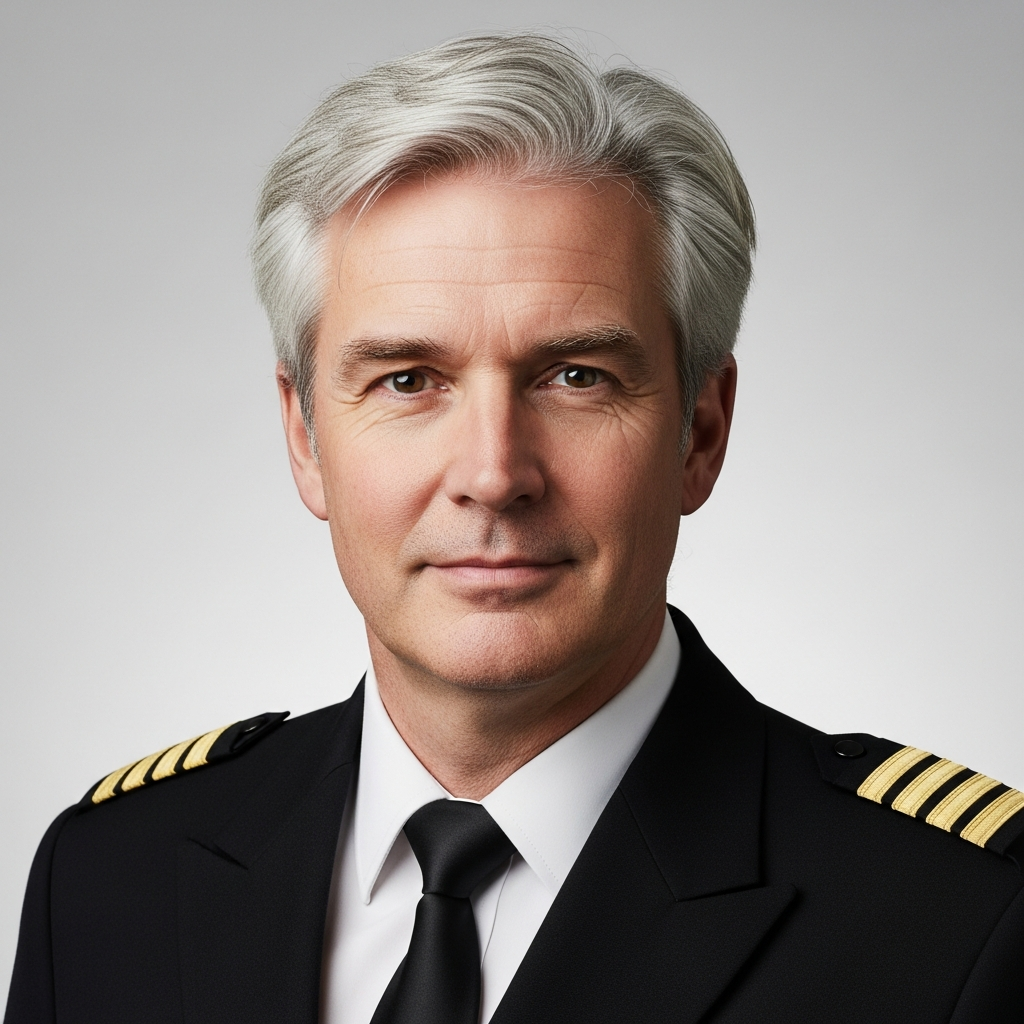
Oliver holds an ATPL and has flown the LON–IBZ corridor as both a line captain and a positioning crew member for the past eight seasons. He contributes operational notes on routing, slot management, and aircraft selection.
Three London FBOs, three personalities, and the quiet calculations a captain makes before the brief.
Ask any captain who flies the private jet London to Ibiza corridor regularly which London FBO they prefer, and the answer will rarely be the same twice in a row. The honest reply is, it depends. It depends on the passenger, the luggage load, the time of day, and on a list of operational details that never make it onto a marketing page. Three London airports dominate the route: Farnborough, Biggin Hill, and Luton. Each has a personality, and the choice between them is rarely about the runway.
Farnborough: the default for a reason
Farnborough is the closest thing the UK has to a dedicated business aviation airport. The terminal is purpose built for private flying, the runway is long enough for any aircraft on the route, and the customs and immigration team is staffed by people who handle high-net-worth passengers every day. From a captain's perspective, the appeal is operational. Slots are predictable, the handling is consistent, and the airspace beneath London Heathrow is well understood by the controllers there.
The downside is congestion in summer. Farnborough is popular precisely because it is good, and on a Friday evening in July the parking can fill quickly. The other consideration is ground transfer time. From central London, Farnborough is a comfortable hour by car if you leave Mayfair before the Hyde Park Corner queue forms; ninety minutes if you do not.
Farnborough is where you go when nothing should be remarkable about the experience. That, in itself, is the value.
Biggin Hill: the south London option
Biggin Hill is the captain's pick when the passenger is coming from south or southeast London. The drive from Knightsbridge runs against the morning traffic, the runway is more than capable of handling a Challenger 350 or a Global, and the FBO has invested heavily in the passenger experience over the last five years. Customs is on site, the lounges are quiet, and the airfield retains a certain wartime character that some clients find charming.
There are two operational caveats. Biggin Hill has stricter noise rules than Farnborough, which can constrain late evening departures, and its position closer to Gatwick airspace means slot timing in peak periods is sometimes tighter. For a captain, these are minor. For a passenger trying to leave at a particular hour on a particular Friday, they can occasionally matter.
Luton: the workhorse
Luton is the largest of the three and the busiest by a significant margin. It mixes commercial scheduled traffic with business aviation, which means the slots are managed within a wider system and the apron can feel industrial. None of that shows up in the air. The handling agents at Luton, particularly Signature and Harrods Aviation, deliver the same standard of service as their counterparts elsewhere.
The reason a captain might still recommend Luton is range and weight. For a fully loaded Global 6000 or a longer onward routing, Luton's runway gives more options, and the parking is easier to secure on short notice. For passengers based in north or northwest London, the drive is also notably shorter than to Farnborough.
What the choice actually comes down to
On a typical brief, the captain will look at three things. Where is the passenger leaving from. What is the aircraft and what does it weigh fully loaded. What does the day look like operationally for the FBO in question. The answer that comes out of those three questions is rarely a strong opinion. It is usually a quiet preference, which the established charter broker will then turn into a slot. The passenger sees a smooth experience. The pilot sees a small chain of decisions that started forty eight hours earlier. For what those decisions mean for the overall cost of the charter, see private jet London to Ibiza cost in 2026.

